


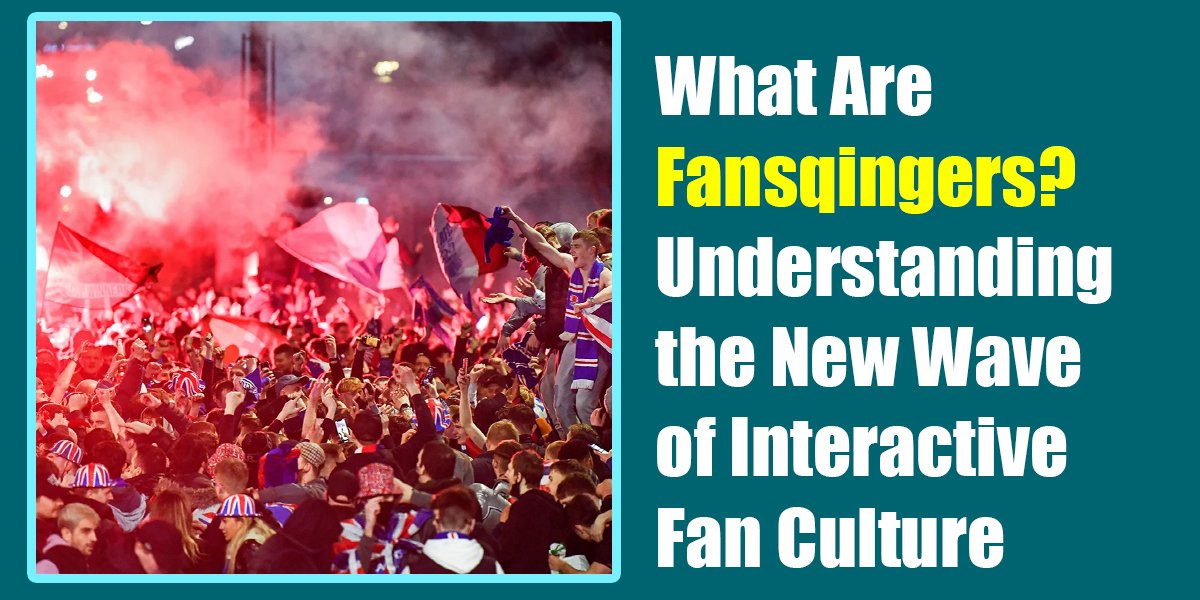
The way people connect with their favorite artists, shows, and games has transformed dramatically. Gone are the days when fans were just spectators. Today, they are creators, collaborators, and influencers. This evolution has given rise to a new identity: Fansqingers. These are fans who don’t just admire they participate, perform, and shape the cultural conversation. Understanding this movement means looking at how fandom itself has evolved into a dynamic, creative ecosystem.
What Are Fansqingers?
At its core, Fansqingers are individuals who combine their passion as fans with the creativity of performers or content creators. The word blends “fans” and “singers” but has grown to represent more than just music. Fansqingers can be artists, gamers, writers, or performers who take inspiration from the creators they admire and add their own voice to the mix.
They might produce cover songs, create fan art, remix tracks, or host live discussions about their favorite creators. The key idea is interaction: fansqingers are not passive they engage, create, and connect. They transform their enthusiasm into creative expression, forming communities that amplify both fan and artist voices.
The Evolution of Fan Culture
Fandom has always existed, but its nature has changed with technology. In the past, fan clubs, zines, and conventions were the primary spaces for connection. Today, platforms like TikTok, YouTube, and Twitch have democratized participation. Anyone can post a cover, remix a track, or launch a reaction video.
This shift from consumption to participation is what defines the fansqinger movement. They are the product of a digital environment where sharing and collaboration are effortless. This evolution also reflects a broader cultural trend: the rise of participatory media, where everyone has the tools to create and share stories.
How Fansqingers Create and Connect
Fansqingers bring creativity to life through a range of activities. Some record songs inspired by their favorite artists. Others remix or reinterpret works in new genres. Many fansqingers collaborate with peers to produce fan projects or run online fan events.
These fans also build digital communities. On platforms like Discord, Reddit, and Instagram, fansqingers gather to share feedback, ideas, and encouragement. This interconnectedness helps them grow both as artists and as fans. For many, being a fansqinger means finding belonging in a community that values creativity as much as passion.
Why Fansqingers Matter
The influence of Fansqingers extends far beyond entertainment. Their impact can be felt by fans, creators, and brands alike.
For fansqingers themselves, it’s about empowerment. They turn admiration into action, building confidence and even new career paths. Many fansqingers gain recognition from the artists they cover or collaborate with.
For artists, fansqingers represent free promotion and deep engagement. When fans create, they amplify the artist’s work across platforms, sustaining attention long after an official release.
Brands also benefit. Companies now recognize that fan‑created content is more authentic and engaging than traditional advertising. Collaborating with fansqingers can help brands connect with audiences in organic ways that feel personal and genuine.
The Emotional Core of Fansqingers
At the heart of the fansqinger movement lies emotion connection, identity, and expression. Fansqingers don’t just admire creators; they form emotional bonds with their work. These relationships often inspire creative output: a song, a video, a digital painting.
This process also fulfills psychological needs for belonging and recognition. Fansqingers often describe their work as a way to feel closer to the creators they love or to share that passion with others. It’s a form of storytelling where admiration becomes creation.
Real Examples of Fansqingers
The rise of fansqingers can be seen across industries. On YouTube, countless fans post covers that go viral and sometimes lead to professional opportunities. TikTok users remix trending sounds, giving them new life and meaning. In gaming, fansqingers design mods, fan art, and live‑streams that expand the reach of their favorite titles.
One striking example is when fans collaborate on tribute albums or fan concerts. These projects showcase how collective creativity can rival professional productions. In each case, fansqingers demonstrate that love for art can itself be an act of artistry.
Challenges Within the Fansqinger Movement
Despite its positive energy, the fansqinger culture faces challenges. Copyright remains a significant issue many fansqingers create derivative works that exist in a gray legal area. Balancing creativity with respect for intellectual property is essential.
There’s also the problem of burnout. The pressure to produce content regularly for engagement can turn passion into stress. Additionally, fandom communities sometimes experience conflicts or gatekeeping, which can make new creators feel excluded.
Finally, not all brands or platforms treat fan‑creators fairly. Monetization systems often favor the platform over the individual creator. Addressing these imbalances will be crucial as fansqingers continue to grow in influence.
The Future of Fansqingers
The future of Fansqingers looks promising. Advances in AI and digital media are making creation easier than ever. Tools for music mixing, video editing, and virtual performance are accessible to anyone with a smartphone.
We’re also seeing a merging of roles. Some fansqingers transition into full‑time creators, while professional artists increasingly embrace their fan roots. This fusion is creating a new kind of entertainment economy one driven by collaboration rather than hierarchy.
As technology evolves, virtual concerts, fan‑driven record labels, and interactive storytelling platforms will likely expand. The boundary between fan and artist may soon disappear entirely, replaced by creative networks built on shared passion.
The Cultural Impact
The fansqinger phenomenon is more than just a trend it’s a reflection of cultural change. It challenges the notion of who gets to create and who simply consumes. In doing so, it democratizes art and opens the door for anyone to participate.
For younger generations, being a fan is no longer about idolizing from afar. It’s about joining the story, shaping it, and finding personal meaning within it. Fansqingers embody that shift, standing at the crossroads of creativity and community.
Conclusion
Fansqingers represent a milestone in the evolution of fandom. They show that admiration can evolve into creation, and community can inspire artistry. In their voices, remixes, and performances, we hear a future where fans and creators build culture together.
This movement isn’t just about music or entertainment it’s about participation, emotion, and connection. The next wave of creativity belongs not to those who stand apart from their idols, but to those who sing, remix, and dream alongside them. The world of Fansqingers reminds us that every fan has a voice and that voice deserves to be heard.
FAQs
What are Fansqingers?
They’re creative fans who actively participate by singing, remixing, or making fan-inspired works.
How are they different from normal fans?
Fansqingers create content instead of just watching or listening they help shape fandom culture.
Can anyone be a Fansqinger?
Yes. Anyone who expresses passion through art, music, or performance can be one.
Do Fansqingers face copyright issues?
Sometimes. Using original material without permission can raise legal concerns.
Why do Fansqingers matter?
They keep fan communities alive through creativity, collaboration, and shared passion.