


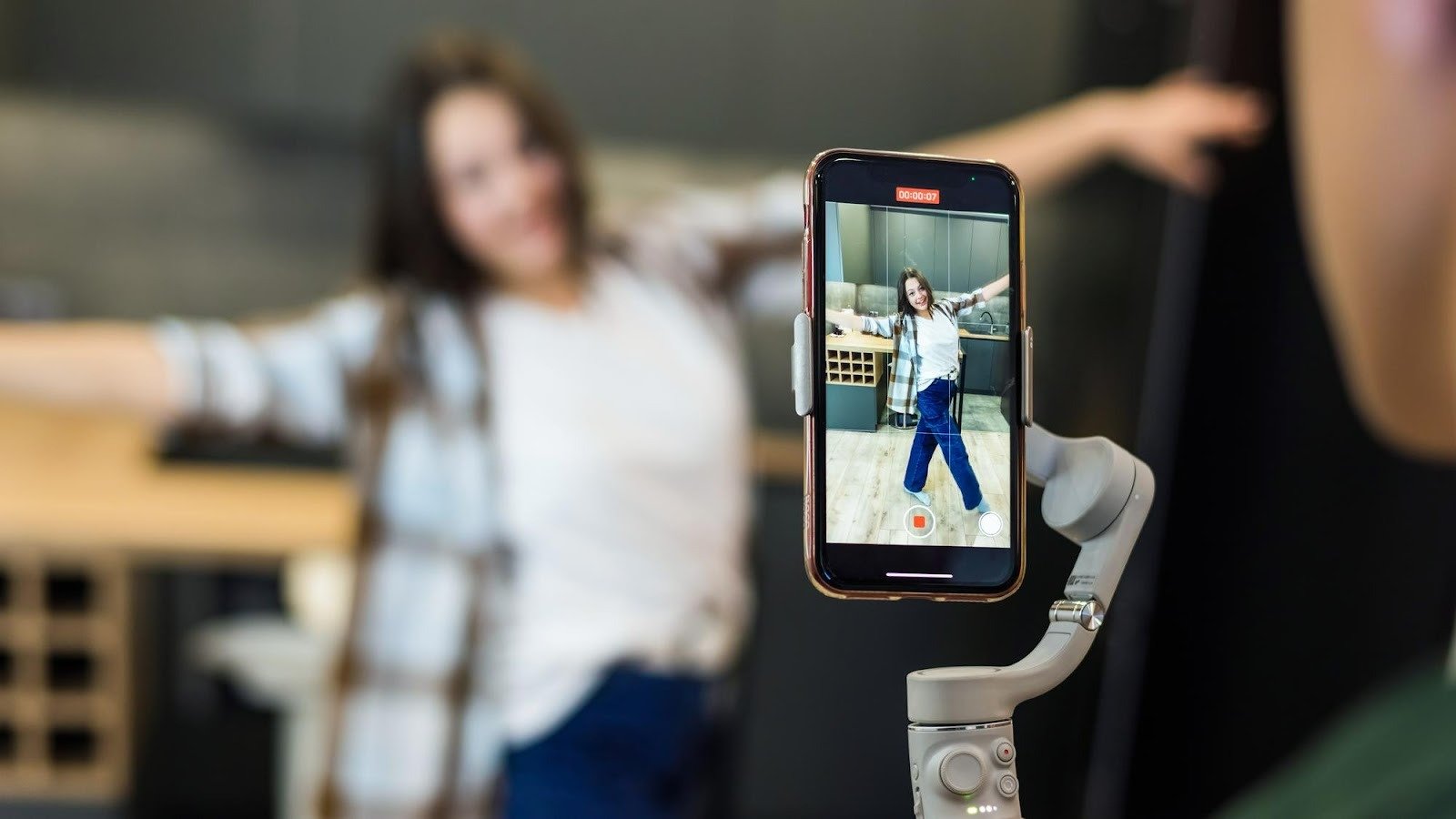
The world of social media moves quickly, and influencers today face more pressure than ever to stay relevant. New sounds, memes, filters, and video formats can rise and fall within a matter of days. Influencers who keep up with these shifts can grow rapidly, while those who fall behind risk losing visibility. Because the pace of content creation has accelerated, influencers are looking for new tools that enable them to produce polished, on trend videos without spending hours filming and editing.
Image-to-video AI has emerged as one of the most impactful technologies for creators who want to stay visible in a fast moving environment. By turning simple photos into dynamic videos, influencers can participate in trends quickly, produce content at scale, and experiment with new formats even when they do not have time to record. This technology is reshaping creator workflows and making it easier than ever to stay ahead in the algorithm driven world of social media.
Why do influencers struggle to keep up with trends today?
Influencers struggle because trends appear and disappear rapidly, and traditional video production takes too much time to match the speed of social platforms.
In the early days of influencer marketing, trends moved slowly. Creators could produce thoughtful videos and still stay relevant. But platforms like TikTok and Instagram Reels have accelerated the pace dramatically. A 2024 report from Influencer Marketing Hub found that the average trending sound on TikTok peaks within 72 hours. By the time many creators finish filming and editing, the trend has already begun to fade.
Traditional video production requires time for setup, lighting, recording, and editing. Influencers also need to be “camera ready,” which adds another layer of time and effort. Creators who post daily often experience burnout, especially when trying to maintain high production quality.
Additionally, the algorithms that govern visibility reward creators who post consistently. According to Sprout Social, accounts that publish more than 15 pieces of content per week see a 25 percent increase in engagement compared to accounts that post fewer than five. Keeping up this pace is nearly impossible with manual video production alone.
These challenges create the need for tools that enable faster, easier content creation.
What makes image-to-video AI so useful for fast-paced content creation?
Image-to-video AI is useful because it allows influencers to turn a single photo into a dynamic video that matches trending formats without the need for filming.
The core benefit of image-to-video AI is speed. Instead of recording a full video, influencers can use a favorite photo or take a quick selfie and convert it into a moving clip within minutes. This eliminates many barriers associated with filming, such as preparing a background, fixing lighting, or shooting multiple takes.
AI systems analyze the image, identify facial features, and apply motion models that animate the subject. This can include gestures, expressions, or even full dance movements. The result is a polished, trend ready video that looks like it took far more effort than it actually did.
This flexibility allows influencers to react to trends instantly. If a new meme or challenge starts circulating, they can create an animated video on the spot instead of setting aside time to film. This speed is essential in environments where momentum shifts daily.
The technology also supports style variety. Influencers can create humorous edits, emotional expressions, cinematic movements, or stylized animations using the same source image. This helps diversify content while minimizing workload.
How does image-to-video AI help influencers stay consistent?
AI helps influencers stay consistent by reducing production time, lowering fatigue, and enabling batch creation of content that fits multiple trends.
Consistency is one of the strongest predictors of growth on social platforms. Influencers who post regularly build stronger relationships with their audience and maintain algorithmic visibility. But maintaining a consistent posting schedule is difficult when each video requires a full production process.
Image-to-video AI makes consistency achievable. Influencers can generate several pieces of content from a single photo, which allows them to build a backlog of posts. This reduces the pressure to film constantly and helps prevent creator burnout.
The technology also enables creators to produce content even when circumstances make filming impossible. For example:
• When traveling
• When feeling sick
• When lacking time
• When unable to access a filming environment
In these situations, AI generated videos keep the content stream active without compromising quality. This ensures influencers can maintain visibility even during busy periods.
At the center of this shift, tools such as image to video ai by Viggle AI give influencers a simple and fast way to produce expressive videos from static images. With motion transfer and animation features, Viggle AI helps creators keep their content fresh and on trend even when they cannot film themselves.
How does this technology help influencers join trends quickly?
Image-to-video AI enables trend participation by offering ready made motion templates that match popular formats, allowing creators to insert themselves into trends effortlessly.
Many trends on TikTok and Instagram involve specific dances, reactions, or cinematic movements. Learning choreography or setting up a scene takes time that influencers do not always have. When trends move fast, missing the moment can significantly reduce reach.
AI solves this by providing templates that mirror trending actions. Influencers can place their face or photo into dance routines, dramatic expressions, or meme based animations instantly. This helps them participate in trends in real time.
Research from TikTok’s Creative Center shows that creators who join trends early gain up to three times more visibility than those who join later. Fast turnaround is a major advantage, and image-to-video AI provides exactly that.
The technology also encourages experimentation. Influencers can test multiple trend variations quickly to see which performs best with their audience. This agility improves engagement and supports rapid growth.
How does image-to-video AI support creativity while reducing effort?
Image-to-video AI supports creativity by offering tools that amplify ideas without requiring technical skills or extensive resources.
Creativity is essential for standing out online, but creative video production can be time intensive. AI enables influencers to focus on concept and storytelling while the system handles the execution.
For example, an influencer can take a stylized portrait and animate it into an emotional reaction video. Or they can turn a themed photo into a short cinematic scene. AI tools also allow influencers to create unique aesthetics, from animated art styles to surreal motion effects.
This enhances creativity by freeing influencers from technical barriers. They can explore ideas that would normally require advanced editing or animation knowledge. Studies from Adobe show that 56 percent of creators feel AI tools help them unlock creative concepts they otherwise would not have attempted.
Instead of replacing creativity, image-to-video AI amplifies it by removing constraints.
What does this mean for the future of influencer content?
The future of influencer content will rely increasingly on hybrid creation models where human ideas combine with AI driven visuals for faster, more expressive storytelling.
As image-to-video AI becomes more advanced, influencers will be able to create entire video narratives using only a few photos. Trend participation will become almost instantaneous, and content production will feel more like assembling ideas than filming scenes.
The demand for rapid content creation will continue to rise as platforms evolve, and AI will become an essential tool for staying competitive. Brands will also expect influencers to produce content quickly for campaigns, making AI an important resource for meeting deadlines and creative expectations.
Influencers who adopt these tools early will have a significant advantage in visibility, speed, and creative flexibility.
Conclusion
Image-to-video AI is helping influencers keep up with fast moving trends by eliminating the need for constant filming, reducing production time, and enabling rapid participation in new formats. With its ability to turn simple photos into dynamic videos, the technology empowers creators to stay consistent, creative, and competitive. Tools like image to video ai by Viggle AI make it easy for influencers to generate expressive, trend ready content in minutes, giving them the agility needed to thrive in today’s rapid fire social media landscape.

